World music, as the name suggests, encompasses a vast array of musical traditions from different cultures and regions around the world. It is a celebration of the diversity and richness of musical expressions across continents. This genre embraces a wide range of styles, including traditional folk music, indigenous music, fusion genres, and contemporary adaptations of traditional sounds. World music allows us to embark on a sonic adventure, exploring the unique rhythms, melodies, and instruments that define cultures and shape musical traditions.

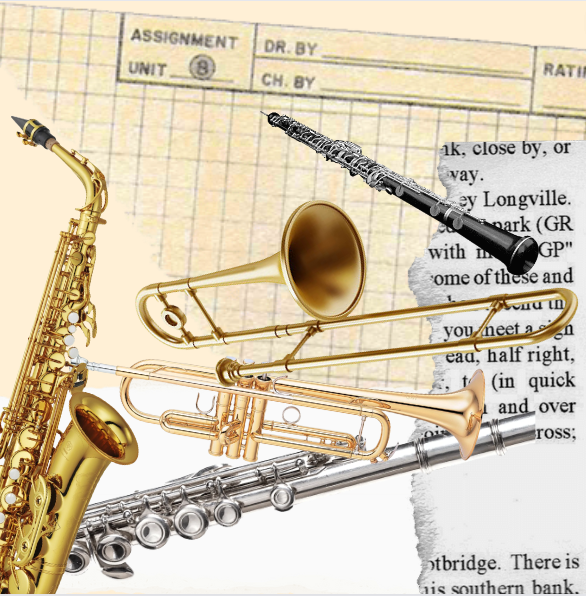
One of the fascinating aspects of world music is the incredible variety of instruments used in different traditions. From the sitar of India to the kora of West Africa, each instrument carries its own cultural significance and adds a distinct flavor to the music. The sitar, with its mesmerizing strings and resonant sound, is synonymous with the classical music of India. Its intricate melodies and intricate playing techniques have captivated audiences for centuries. The kora, a West African harp-lute, produces a soothing and enchanting sound, often accompanying storytelling and oral traditions. These instruments, along with countless others, transport us to different corners of the world, immersing us in the beauty and uniqueness of each musical tradition.
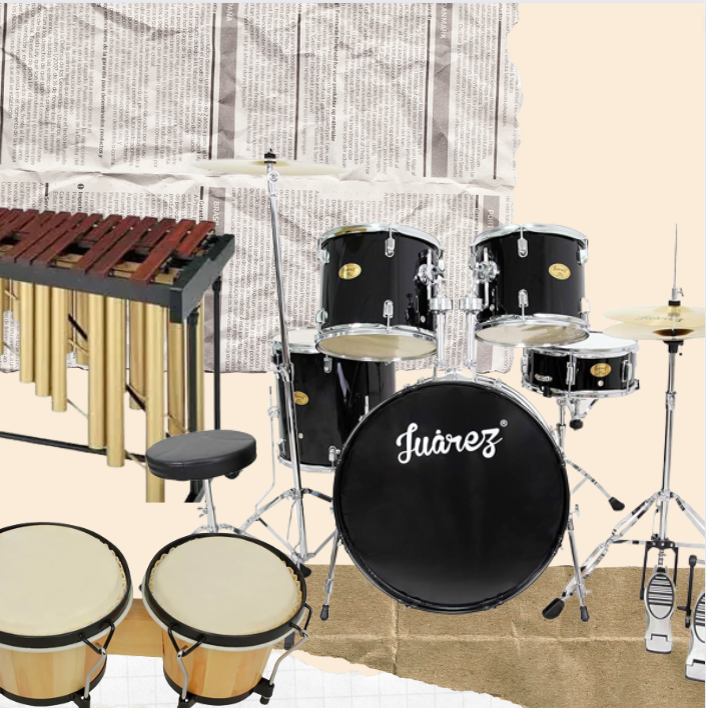
Rhythms form the heartbeat of world music, infusing it with energy, vitality, and a sense of cultural identity. From the infectious Afro-Cuban rhythms to the complex polyrhythms of West Africa, the world is a treasure trove of rhythmic diversity. These rhythms create a pulse that drives the music forward, inviting us to move, dance, and connect with the spirit of the music. The djembe, a West African drum, produces thunderous beats that echo the heartbeat of the community. The tabla, a pair of drums from India, creates intricate rhythmic patterns that weave a tapestry of sound. These rhythms, whether simple or complex, add depth and intensity to the music, captivating our senses and igniting our spirits.
World music exemplifies the power of cultural exchange and the beauty of musical fusion. As different cultures come into contact with one another, musical traditions blend and evolve, giving rise to new and exciting sounds. Fusion genres, such as Afrobeat, flamenco fusion, or Celtic rock, bring together elements from different musical traditions, creating a hybrid style that transcends cultural boundaries. These fusion genres not only showcase the creativity and adaptability of musicians but also foster a deeper understanding and appreciation of diverse cultures. They remind us that music has the power to unite, bridge gaps, and celebrate our shared humanity.
World music is a vibrant tapestry that weaves together the diverse musical traditions of cultures around the globe. It invites us to embark on a sonic journey, exploring the richness and beauty of sounds, rhythms, and instruments from different corners of the world. World music celebrates cultural diversity, fosters cross-cultural connections, and reminds us of the universal language of music. So, let the melodies of world music transport you to distant lands, let the rhythms ignite your soul, and let the harmonies of different cultures intertwine in a symphony of unity and harmony.