Woodwind and brass instruments are an integral part of the musical world, adding unique tones and textures to compositions. While both types belong to the larger family of wind instruments, they have distinct characteristics and mechanics that set them apart. Join me on a melodic journey as we explore the world of woodwind and brass instruments, their definitions, examples, sound production, and a comparison of their unique qualities!
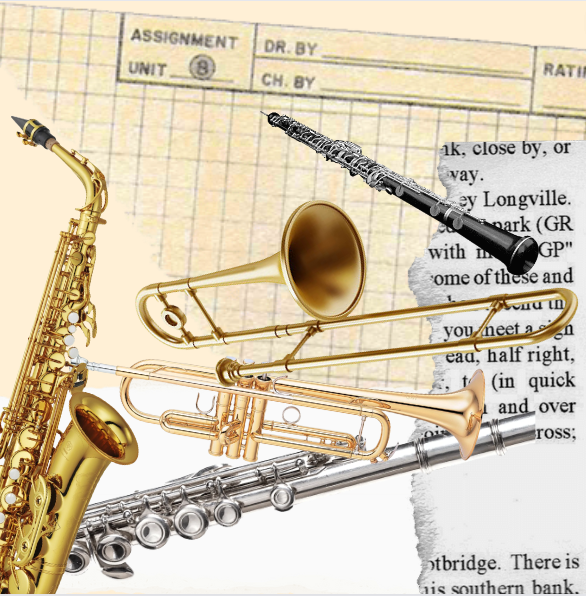
Woodwind instruments are typically made of wood or metal and produce sound when the player blows air into them. The air vibrates within the instrument, creating different pitches and tones. Examples of woodwind instruments include the flute, clarinet, saxophone, and oboe. Each instrument has its own unique sound and playing technique.
Brass instruments, on the other hand, are made primarily of brass or other metals. Sound is produced by buzzing the player's lips into a cup-shaped mouthpiece, which creates vibrations that travel through the instrument's tubing. Examples of brass instruments include the trumpet, trombone, French horn, and tuba. Brass instruments have a rich, bold sound that carries well in various musical settings.
Woodwind instruments produce sound through the movement of air across a reed or through the manipulation of keys and holes. For example, in the flute, the player blows air across the edge of the mouthpiece, creating vibrations in the air column inside the instrument. In contrast, the clarinet uses a reed that vibrates against the mouthpiece when the player blows air into it. The saxophone and oboe also utilize reeds to produce sound. The manipulation of keys and holes on the instrument's body allows players to change the pitch and produce different notes.
Brass instruments produce sound through the buzzing of the player's lips into a cup-shaped mouthpiece. The vibrations created by the buzzing lips travel through the instrument's tubing, which is coiled or extended in various ways. By changing the length of the tubing through valve mechanisms or slide positions, players can produce different pitches. For example, the trumpet has valves that the player presses down to change the length of the tubing, while the trombone uses a slide that the player extends or retracts to change the pitch.
Woodwind and brass instruments have distinct qualities that set them apart. Woodwind instruments often have a softer, mellower tone, while brass instruments have a brighter, more powerful sound. Woodwinds offer a wide range of expressive capabilities, with the ability to play fast, intricate passages and produce rich, lyrical melodies. Brass instruments, on the other hand, excel in producing bold, commanding sounds and are often featured in brass ensembles and marching bands. Both types of instruments play crucial roles in orchestras, concert bands, jazz ensembles, and various other musical genres.
In summary, woodwind and brass instruments bring unique flavors to the world of music. Woodwinds, such as the flute, clarinet, saxophone, and oboe, produce sound through the movement of air across reeds or the manipulation of keys and holes. Brass instruments, including the trumpet, trombone, French horn, and tuba, produce sound through buzzing the player's lips into a cup-shaped mouthpiece. Woodwinds offer a softer, mellower tone, while brass instruments have a brighter, more powerful sound. Both types of instruments play vital roles in creating the diverse and captivating sounds we enjoy in various musical genres.