When we listen to music, we often hear a combination of different sounds coming together to create a beautiful melody. One important element that helps shape these melodies is the use of triad chords. Triad chords are a fundamental building block of music, and understanding them can enhance our appreciation and enjoyment of various musical compositions.
To understand triad chords, it's helpful to first explore the concept of intervals. Intervals refer to the distance between two notes in a musical scale. These intervals create different sounds and emotions when played together. For example, a major interval creates a bright and happy sound, while a minor interval produces a melancholic or sad tone. By combining different intervals, musicians can create a wide range of emotions in their music.
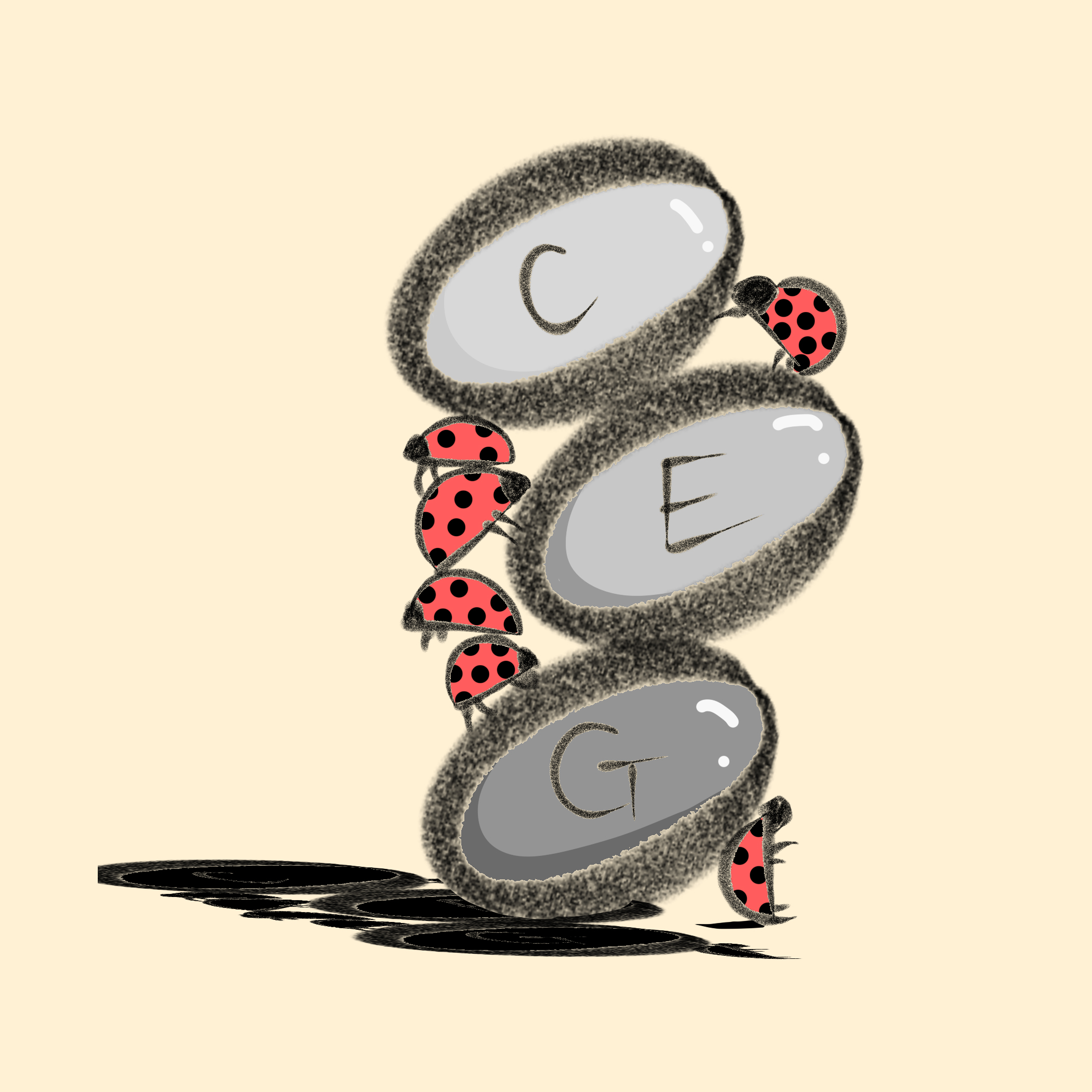
Triad chords consist of three notes played together simultaneously. They are formed by stacking two intervals on top of each other. The first interval determines whether the triad chord is major or minor. The second interval is added on top of the first to complete the chord.
In major triad chords, the first interval is a major third. This creates a bright and uplifting sound. Major triad chords are often associated with feelings of joy, excitement, and happiness. They are frequently used in upbeat and energetic compositions, such as pop songs or cheerful melodies that make us want to dance.
On the other hand, minor triad chords have a minor third as the first interval. This gives them a more somber and introspective quality. Minor triad chords evoke emotions like sadness, longing, or introspection. They are commonly found in genres such as blues, jazz, or ballads, where a deeper emotional connection is sought.
In addition to major and minor triad chords, there are also augmented and diminished triads. Augmented triads have a major third followed by an augmented fifth. This creates a tense and dissonant sound, often used to add drama or suspense to a musical piece. Diminished triads, on the other hand, consist of a minor third and a diminished fifth. These chords have a dark and mysterious quality, often used in horror or suspenseful movie soundtracks.
Another interesting aspect of triad chords is their ability to be inverted. Inverted chords occur when the notes of a triad are rearranged so that a note other than the root is played as the lowest note. This inversion changes the overall sound and character of the chord, providing variety and richness to the music.
When it comes to performing triad chords, there are various techniques musicians use. Block comping is a technique commonly used in piano playing, where all the notes of a chord are played simultaneously and held for the desired duration. Arpeggios involve playing the notes of a chord individually, creating a flowing and melodic effect. On the guitar, sweep picking is a technique used to play triad chords quickly and smoothly by sweeping the pick across the strings in a fluid motion.
Triad chords are a vital part of music composition. They provide the foundation for melodies and harmonies, allowing musicians to convey different emotions and moods. Whether it's the catchy tunes we hear at the supermarket or the beautiful piano riffs that captivate us, triad chords play a significant role in shaping the music we love. By understanding and appreciating triad chords, we can deepen our understanding and enjoyment of the diverse world of music.