Welcome, dear music enthusiasts, to a whimsical journey through the enchanting realms of transposition and the mystical Circle of Fifths. Get ready to unravel the secrets of these musical wonders while sharing a few chuckles along the way. So, fasten your imaginary musical seatbelts, and let's dive into this melodic adventure like a penguin sliding down a musical staff!
Let's start by demystifying transposition, shall we? Transposition is like a magical spell that allows us to change the pitch of a musical piece without altering its melodic structure. It's as if we're giving the music a makeover, like a chameleon changing its color to match its surroundings.
But how does this musical sorcery work? Well, it's like a game of musical hopscotch. We take the entire piece of music and shift it up or down by a specific interval, such as a whole step or a half step. It's like moving a musical puzzle piece to a different spot on the board. This process can be done for individual instruments or entire compositions, adding a touch of musical mischief to the mix.
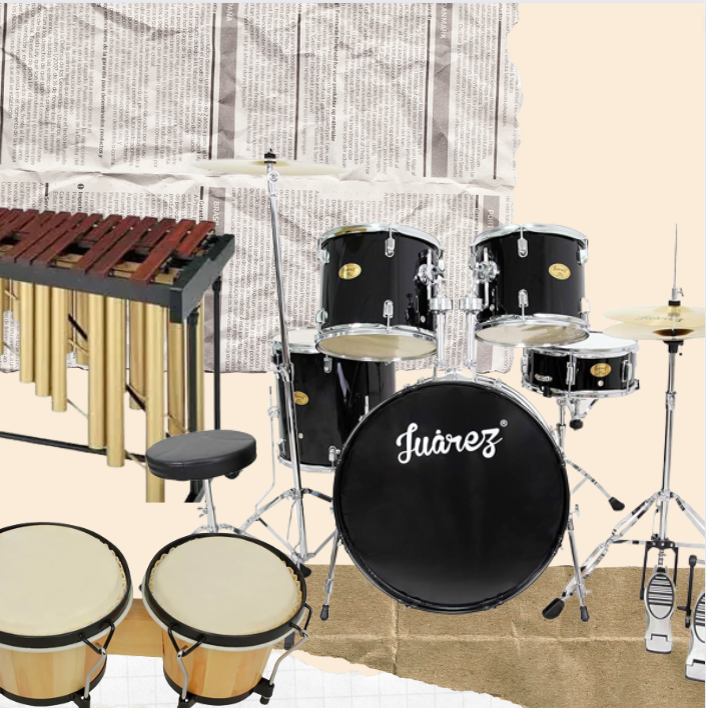
Now, you might be wondering, why do we indulge in this delightful act of transposition. Ah, my curious friend, there are many reasons! One common motive is to accommodate different instruments or vocal ranges. Imagine a giraffe trying to fit into a mouse hole—it's simply not feasible! Similarly, different instruments have their own unique range and capabilities, so we transpose the music to ensure it suits their specific needs. It's like tailoring a musical suit for each performer, whether they're a towering tuba or a dainty piccolo.
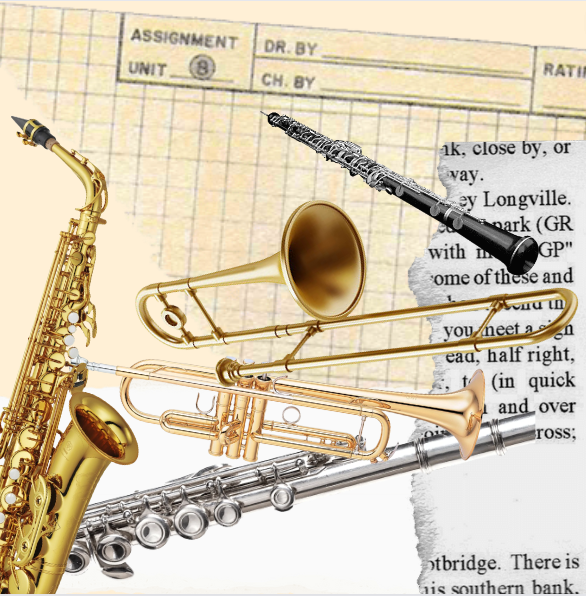
Speaking of transposition, let's take a moment to appreciate the mischievous charm of transposed instruments. Some instruments, like the clarinet or the French horn, are known as transposing instruments. They have a peculiar habit of producing sounds at a different pitch than what's written on the sheet music. It's like they have a secret language of their own, whispering musical secrets into our ears. Transposing instruments add an element of surprise and intrigue to the musical landscape, keeping us on our toes and our ears tickled.
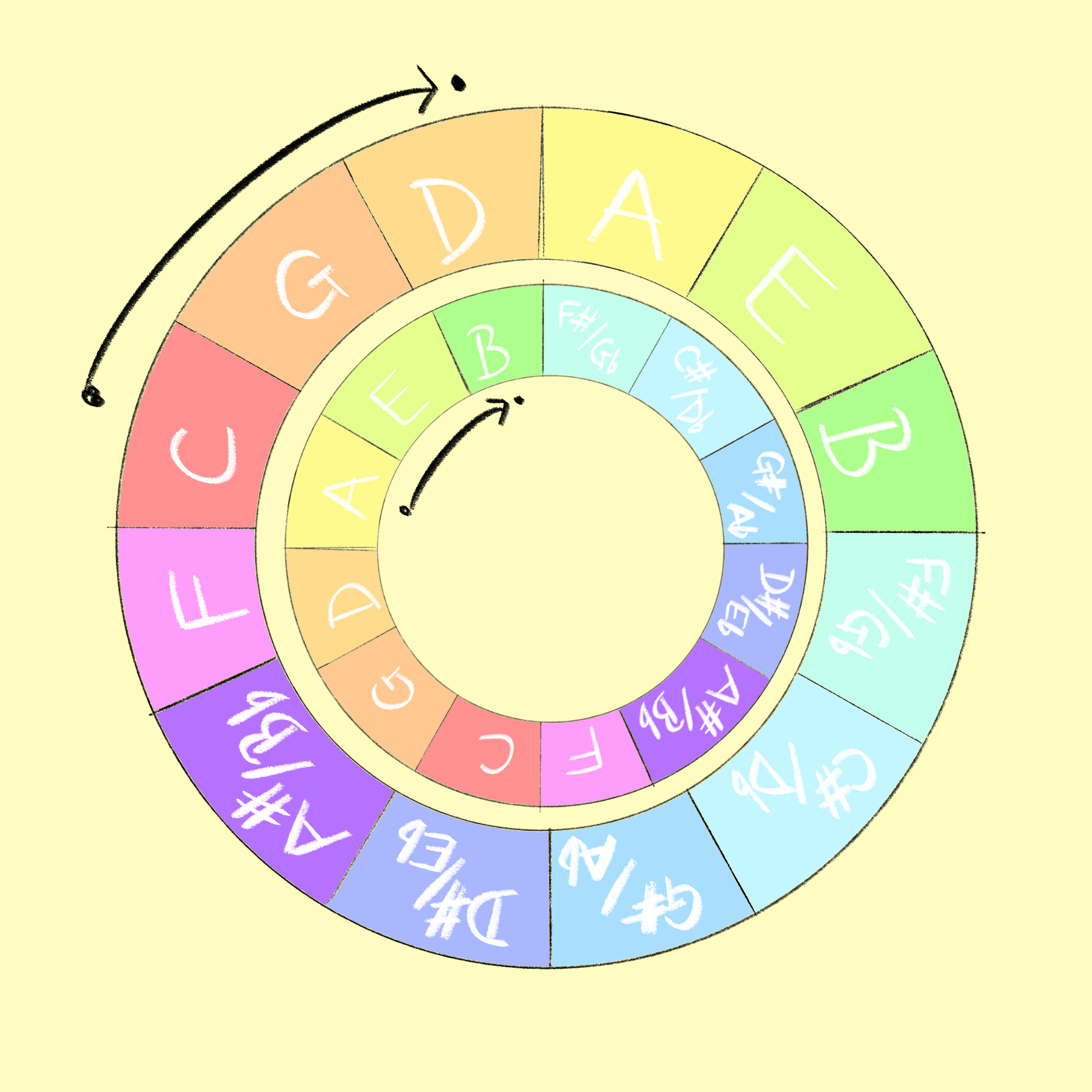
Now, let's venture into the mystical world of the Circle of Fifths. Picture a whimsical carousel that holds the key to musical harmony. The Circle of Fifths is like a musical compass, guiding us through the vast universe of keys and their relationships. It's a merry-go-round that connects all the major and minor keys, creating a harmonious journey from one key to another.
In the extended version of this musical merry-go-round, we encounter a delightful cast of characters—accidentals, minor keys, and major keys. Accidentals are like musical surprises, little symbols that raise or lower a note by a half step. They're like unexpected plot twists in a musical tale, keeping us on the edge of our seats. Minor keys have a touch of melancholy, like a rainy day with a hint of sunshine peeking through the clouds. Major keys, on the other hand, are like a grand celebration, filled with joy and exuberance.
But what's the practical use of this musical carousel, you ask? Well, it's like a treasure map for composers and musicians. It helps us understand the relationships between different keys, allowing us to create smooth and harmonious transitions in our compositions. It's a valuable tool that unlocks the secrets of musical structure and helps us navigate the vast sea of melodies.
As our melodic adventure draws to a close, remember that transposition and the Circle of Fifths are the magical ingredients that make music come alive. They allow us to explore new musical territories, adapt to different instruments, and create harmonious journeys from one key to another. So, embrace the whimsy and wonder of transposition and the Circle of Fifths, and let their melodies guide you on your musical quests!
Now, my fellow music adventurers, armed with the knowledge of transposition and the Circle of Fifths, go forth and explore the vast universe of music. Listen closely, experiment fearlessly, and let your imagination soar. May your musical journey be filled with laughter, surprises, and harmonious melodies. Happy musical adventures to you all!