Waltzes have one accented beat and two normal beats, which make it feels danceable. But do you ever wonder how rhythm and time signature can 'manipulate' a song's mood. Let's find out with me now!
Rhythm, my friend, is the heartbeat that sets music in motion. It's like the funky pulse that makes you tap your feet and nod your head. In the wondrous world of music notation, different rhythms come to life through a variety of notes and rests. For example, the breeve, also known as a whole note, is a big, bold note that lasts for four beats. It's like the cool cat that holds the groove together. On the other hand, the semibreeve, or whole rest, is a silent pause that lasts for four beats, giving the music a moment to catch its breath. These rhythmic elements, with their unique durations, create the patterns and grooves that make us want to move and shake.
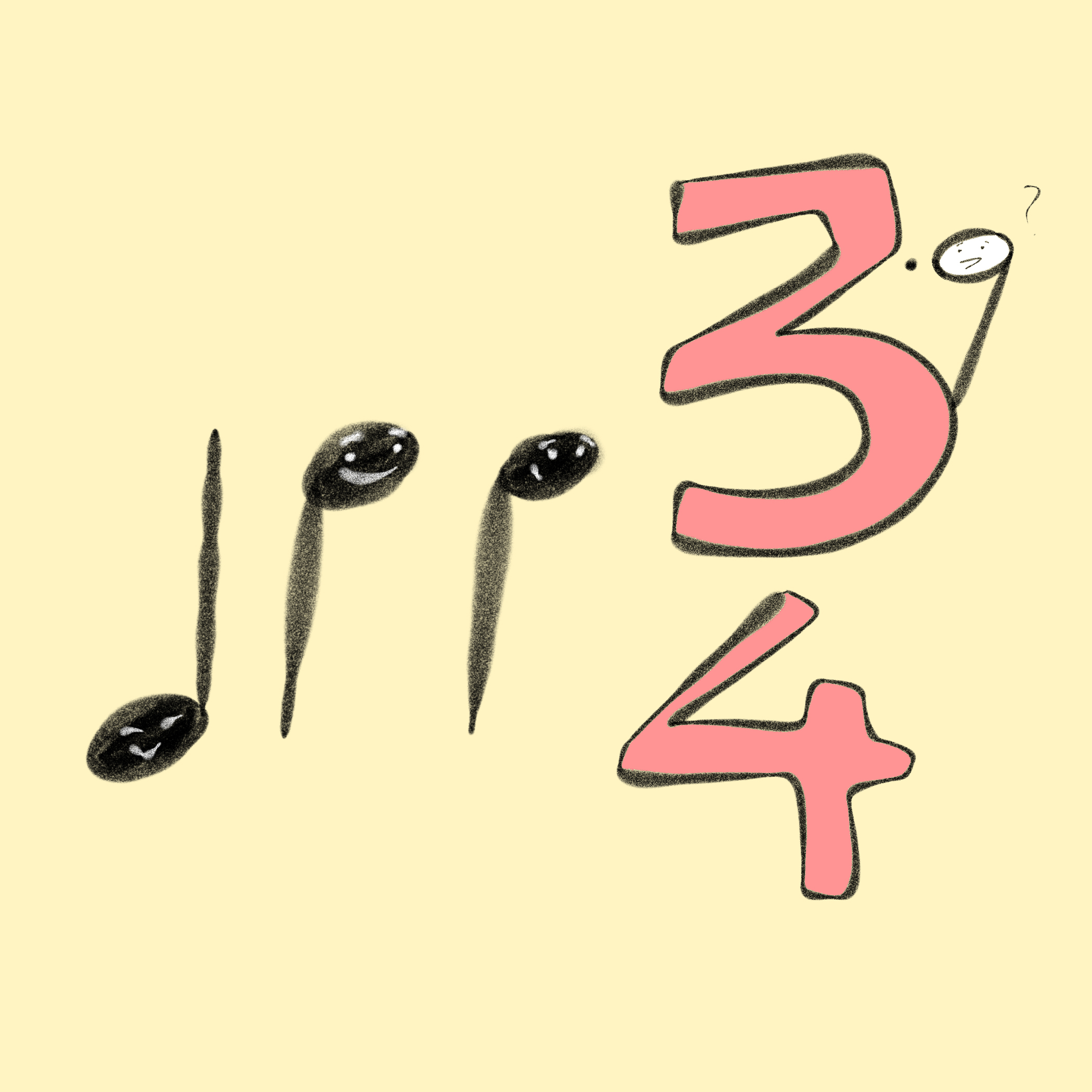
Now, let's dive into the realm of time signatures, where the magic of rhythm takes shape. Time signatures are like secret codes that tell musicians how to groove together. They are represented by two numbers stacked on top of each other at the beginning of a musical piece. The top number tells us how many beats are in each measure, while the bottom number represents the type of note that gets one beat. For example, the time signature 4/4, also known as common time, tells us that there are four beats in a measure, and the quarter note gets one beat. It's like a funky math equation that keeps the rhythm flowing.
Popular time signatures come in all sorts of flavors, each with its own unique groove. The 4/4 time signature, also known as common time, is like the life of the party. It's the most popular and widely used time signature in the world of music. With its four beats per measure, it gives us a steady and balanced feel that we can't help but groove to. Then we have the 3/4 time signature, also known as a waltz time. It's like a graceful dance, with three beats per measure, making us want to twirl and sway. And let's not forget about the 6/8 time signature, often found in blues and soul music. It's like a smooth, syncopated groove that makes us want to strut and swing our hips. These time signatures, among many others, give each piece of music its unique rhythmic flavor.
The importance of rhythm and time signatures cannot be overstated in the world of music. They are the backbone that holds the groove together and keeps musicians in sync. Rhythm is like the heartbeat of a song, driving the energy and giving it life. It's what makes us want to dance, clap our hands, and sing along. Time signatures provide a framework for musicians to create and interpret music. They give structure and organization to the rhythm, allowing for variation and musical expression. Without rhythm and time signatures, music would be like a ship lost at sea, without a beat to guide its course.
Rhythm and time signatures are the funky foundations that make music come alive. With different types of rhythms, like breeves and semibreeves, we create patterns and grooves that make us want to move and groove. Popular time signatures, such as 4/4, 3/4, and 6/8, give each piece of music its unique rhythmic flavor, inviting us to dance to their beats. Rhythm and time signatures are like the secret language of music, guiding us through a melodic journey that makes us tap our feet and feel the groove. So, let the rhythm guide your steps, let the time signatures be your funky compass, and let the music take you on a rhythmic adventure like no other.