“What do we love to listen to?”
Music.
The first word that will pop up as the answer to that question. The one single word that accompanies almost everybody. The one single word that can bring joy and pleasure to its audience. The one single word that sounds extremely familiar, yet too abstract to be illustrated in matters of sentences.
But what exactly is music?”
Everyone has a different interpretation of “music”. The most basic features of music surround sounds - with melodies, harmonies, and rhythms - as it is enjoyed mainly by hearing. It can be defined as combinations of sounds that ease listeners. It can be listed in multiple genres and forms: from classical to pop, from sonatas to songs. Or it can just be “any sound”. Not specific enough. Alternative definitions of music may include “patterns of sounds made by musical instruments, optionally with voices" or "pleasingly rhythmic melodies and harmonies".
Nevertheless, it would be too plain to depict “music” in only words, as no brief description can fully deliver the concept.
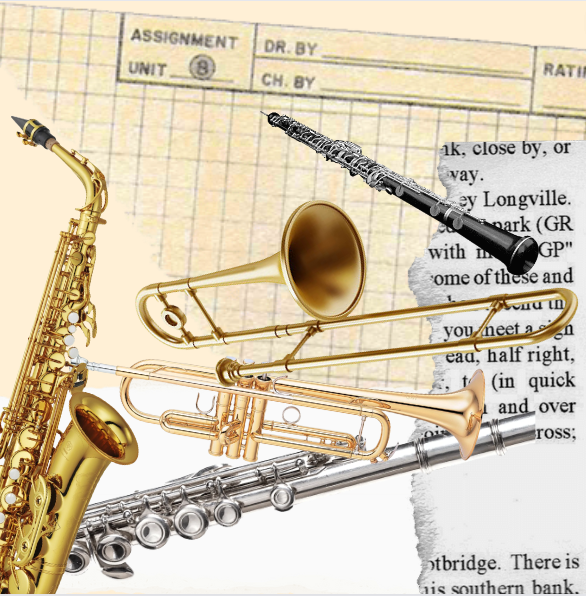
To get a better understanding of the term “music”, let’s get back to its origin and its development. Music, thought to be man-made, is greatly inspired by nature. Some suggest that it was from animals’ sounds, such as birds’ songs, that music was derived. Some speculate that it was the result of human’s instinctive need of communicating with others. Despite numerous hypotheses, it is widely agreed that music appeared as early as the prehistory period. Bone flutes and stringed instruments were found at several Paleolithic archaeology sites, evidencing the early appearance of music in mankind.
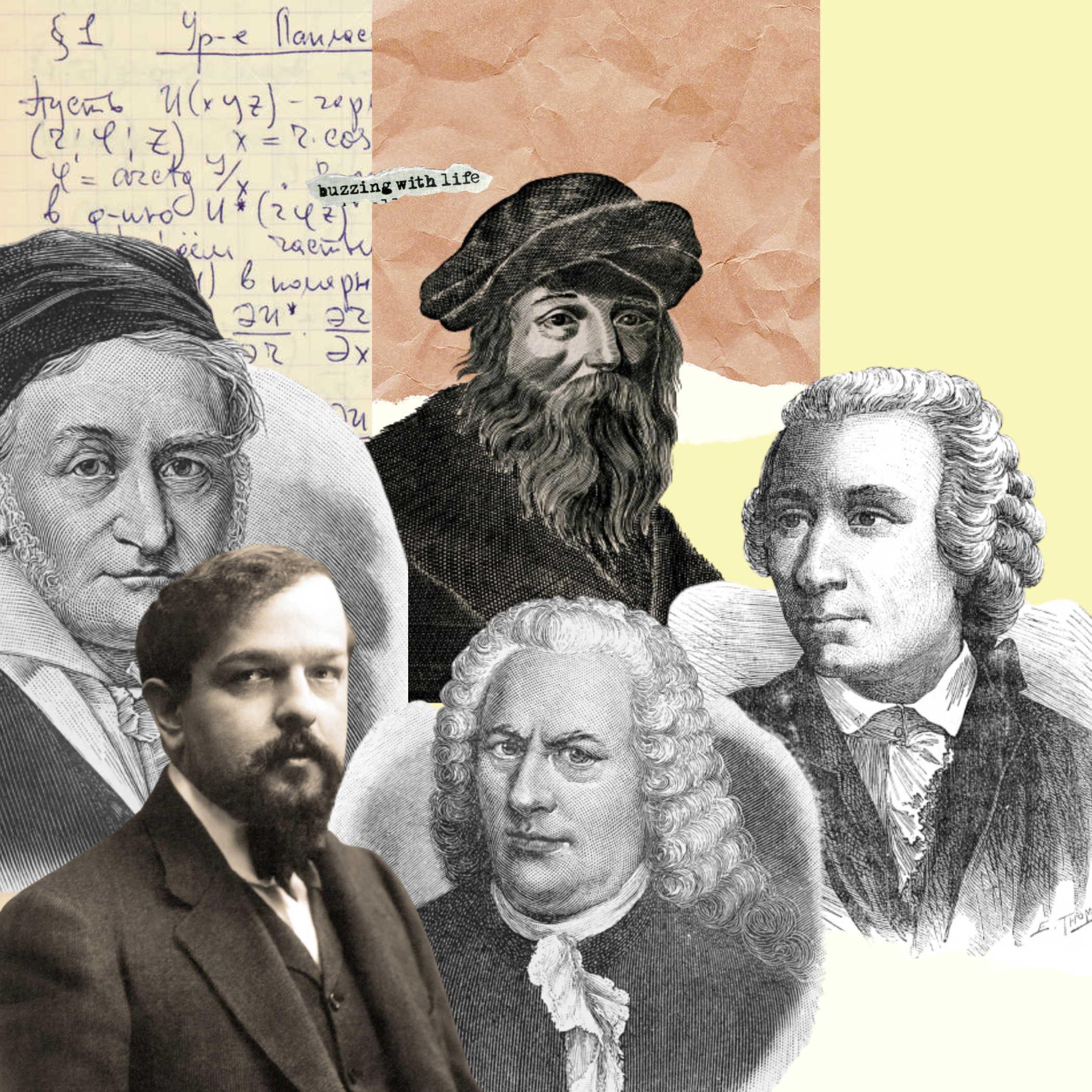
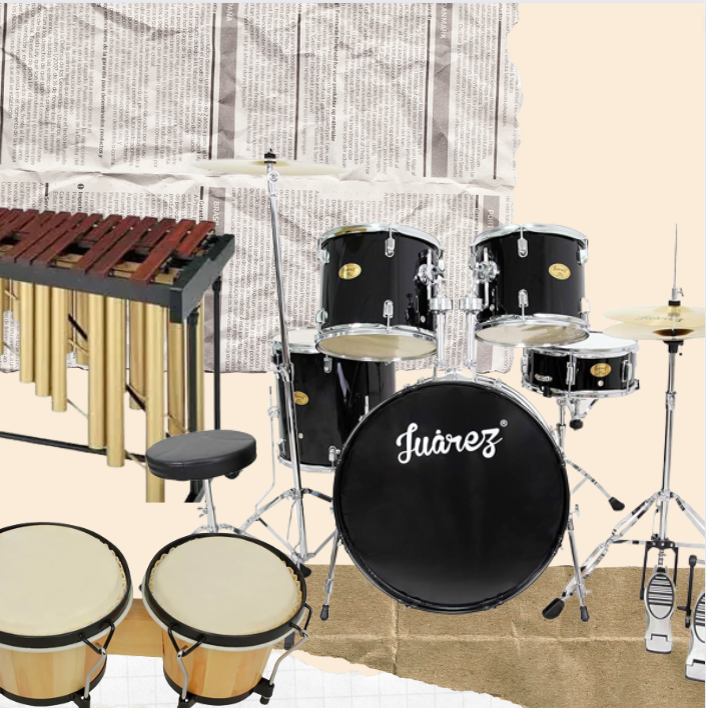
Music thereafter underwent various historical eras, antiquity, medieval, classical, and contemporary. Thought to be a type of art, music does involve other areas of study. Throughout its history, it has been serving significant purposes: from entertainment, religious, and spiritual, to academic, exercise, and therapeutic uses. More musical instruments are invented. More genres and styles are developed. More musical concepts are investigated. And more music pieces and songs are written and listened to worldwide. These things have shown, music has grown its importance substantially, to the popularity that it holds nowadays.
As mentioned, “music” depends on personal preference, therefore objective. Every individual has their taste in choices of music. Some may prefer rock or pop, while others may stick to classical or jazz. Different people also have different approaches to music. Some may consider it a means of entertainment, others may regard it as their professional major. Having personal perspectives on music, hence, is a great recommendation to those that demand a definition of it. However, it is also suggested to have a good insight into music for better understanding (from its history to its creative processes and theory). Thus, it would be best to experience and explore the world of music on your own, and surprise yourself with unrevealed stories.
Because no description can express music better than itself.