Welcome to the vibrant and soulful world of jazz! In this article, we will take a journey through the history and evolution of this captivating genre. From its origins in the early 20th century to its influence on various other musical styles, jazz has left an indelible mark on the world of music. So, let's dive in and explore the rhythmic wonders and improvisational magic of jazz!
Jazz, with its roots in African-American communities, emerged as a unique blend of various musical traditions. In the early days, jazz drew influences from classical music and ragtime, a syncopated piano style. These early forms laid the foundation for the swing era, characterized by its infectious rhythms and lively dance music.
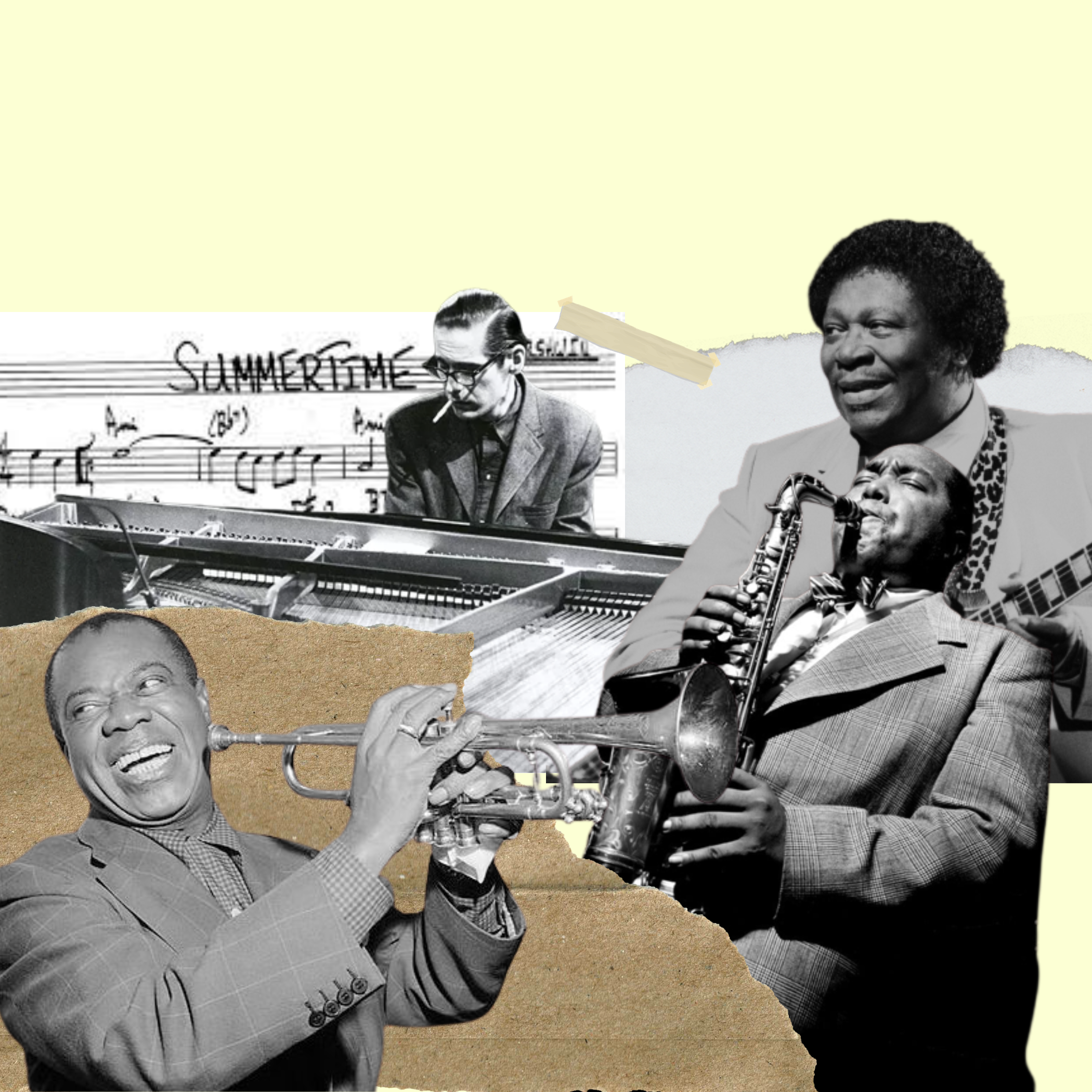
In the 1930s, New Orleans became the birthplace of jazz as we know it today. This vibrant city served as a melting pot of cultures, where African, Caribbean, and European musical traditions converged. The result was a lively and improvisational style of music that celebrated individual expression and collective interaction. Musicians like Louis Armstrong and Jelly Roll Morton became iconic figures in this era, shaping the sound of jazz for generations to come.
As jazz continued to evolve, it began to incorporate elements from various other genres. The influence of jazz can be heard in funk, soul, R&B, bossa nova, Latin music, and even fusion. Jazz's rhythmic complexity and improvisational nature brought a fresh and exciting dimension to these genres, creating a rich tapestry of musical styles and sounds.
Jazz's impact on other genres is undeniable. Funk, with its infectious grooves and emphasis on rhythm, owes a debt to the syncopated beats of jazz. Soul and R&B, with their smooth melodies and emotional depth, draw inspiration from the expressive nature of jazz. Bossa nova, a Brazilian genre, incorporates jazz harmonies and improvisation into its laid-back rhythms. Latin music, with its fiery percussion and infectious energy, finds common ground with jazz in its emphasis on improvisation and syncopation. Fusion, a genre that blends jazz with elements of rock and electronic music, showcases the genre's versatility and adaptability.
In the modern era, jazz continues to push boundaries and defy categorization. Contemporary jazz artists explore new sonic landscapes, incorporating elements of hip-hop, electronic music, and world music into their compositions. This fusion of styles and influences creates a fresh and innovative sound that keeps jazz relevant and exciting in the 21st century.
As we conclude our journey through the world of jazz, we are left in awe of its rich history, diverse influences, and boundless creativity. From its humble beginnings in New Orleans to its impact on genres across the musical spectrum, jazz has proven to be a genre that defies definition and continues to captivate audiences worldwide. So, whether you find yourself grooving to the swing rhythms of the past or exploring the cutting-edge sounds of modern jazz fusion, let the spirit of jazz ignite your passion for music and inspire your own creative endeavors.