From the grandeur of Baroque to the emotional depth of Romanticism and the innovative sounds of contemporary music, the classical era stands as a testament to the rich and diverse history of music. In this article, we will embark on a melodic journey through the different periods of classical music, exploring the distinct characteristics and forms that define each era. So, grab your headphones, and let's dive into the captivating world of classical music!
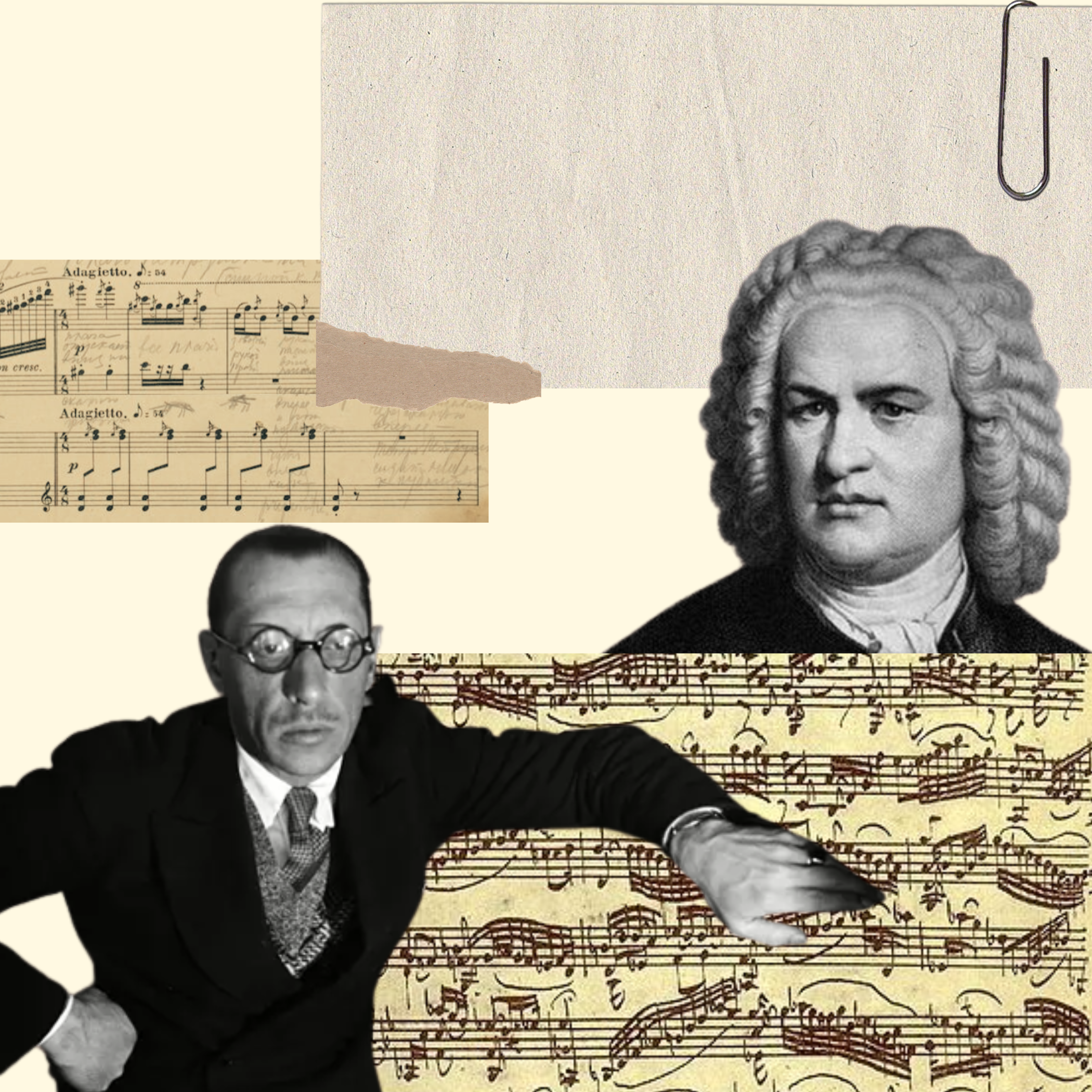
The Baroque era, spanning from the early 17th to the mid-18th century, was characterized by ornate and intricate compositions. Baroque music featured elaborate melodies, rich harmonies, and grandiose forms. Composers like Johann Sebastian Bach and George Frideric Handel were prominent figures during this period, leaving a legacy of masterpieces that continue to captivate audiences with their complexity and beauty.
The classical era, which followed the Baroque period, emerged in the mid-18th century and lasted until the early 19th century. This era was marked by a shift towards simpler and more balanced compositions. Classical music emphasized clarity, elegance, and symmetry. Composers like Wolfgang Amadeus Mozart and Joseph Haydn were at the forefront of this era, creating timeless works that showcased their mastery of melody, harmony, and form.
The Romantic era, spanning from the early 19th to the early 20th century, brought forth a wave of intense emotions and individual expression in music. Composers like Ludwig van Beethoven, Frédéric Chopin, and Pyotr Ilyich Tchaikovsky pushed the boundaries of musical expression, delving into themes of love, nature, and the human condition. Romantic music was characterized by its passionate melodies, rich harmonies, and dramatic forms, leaving a lasting impact on the world of classical music.
The contemporary period, which encompasses the 20th and 21st centuries, is a diverse and ever-evolving era in classical music. This era has seen the emergence of various styles and techniques, ranging from neoclassicism to atonality and experimentalism. Composers like Igor Stravinsky, Arnold Schoenberg, and Philip Glass have challenged traditional musical norms, pushing the boundaries of what is considered "classical" and exploring new avenues of sonic exploration.
Each musical era brought forth its own unique forms and structures. In the Baroque era, we witnessed the rise of the fugue, concerto grosso, and suite. The classical era introduced forms like the sonata, symphony, and string quartet. The Romantic era saw the development of the symphonic poem, art song, and character pieces. In the contemporary era, we find a vast array of forms, including electronic music, minimalist compositions, and multimedia works. These forms reflect the artistic and cultural influences of each period, showcasing the evolution of classical music over time.
To sum up, the classical era encompasses a rich tapestry of musical styles and periods, each with its own distinct characteristics and forms. From the ornate and intricate compositions of the Baroque period to the emotional depth of the Romantic era and the innovative sounds of contemporary music, classical music continues to inspire and captivate listeners around the world. So, whether you find solace in the harmonies of Mozart or the avant-garde sounds of contemporary composers, the beauty and power of classical music are boundless.