“Hey, that sound was jarring!”
Have you ever found yourself exclaim that. When we listen to music, we often experience a range of emotions and sensations. One aspect that greatly influences our perception is the interplay between consonance and dissonance. In this article, we will delve into the world of musical consonances and dissonances, understanding their definitions, causes, and the fascinating way they shape our musical experiences. So, let's embark on this melodic journey together!
To begin, let's clarify what consonance and dissonance actually mean. Consonance refers to a harmonious combination of sounds that create a sense of resolution and stability. On the other hand, dissonance arises from the clash or tension between sounds, evoking a feeling of unrest or unpredictability. These two concepts are like yin and yang, each bringing a unique flavor to the musical palette.
Now, let's explore how consonance and dissonance relate to intervals. In music, intervals refer to the distance between two notes. Some intervals, like the perfect fifth or the major third, are considered consonant due to their harmonic compatibility and pleasing quality. Others, such as the tritone or the minor second, are deemed dissonant due to their inherent tension and lack of harmonic stability. Imperfect consonances, like the major and minor sixth, possess a slightly softer and gentler character.
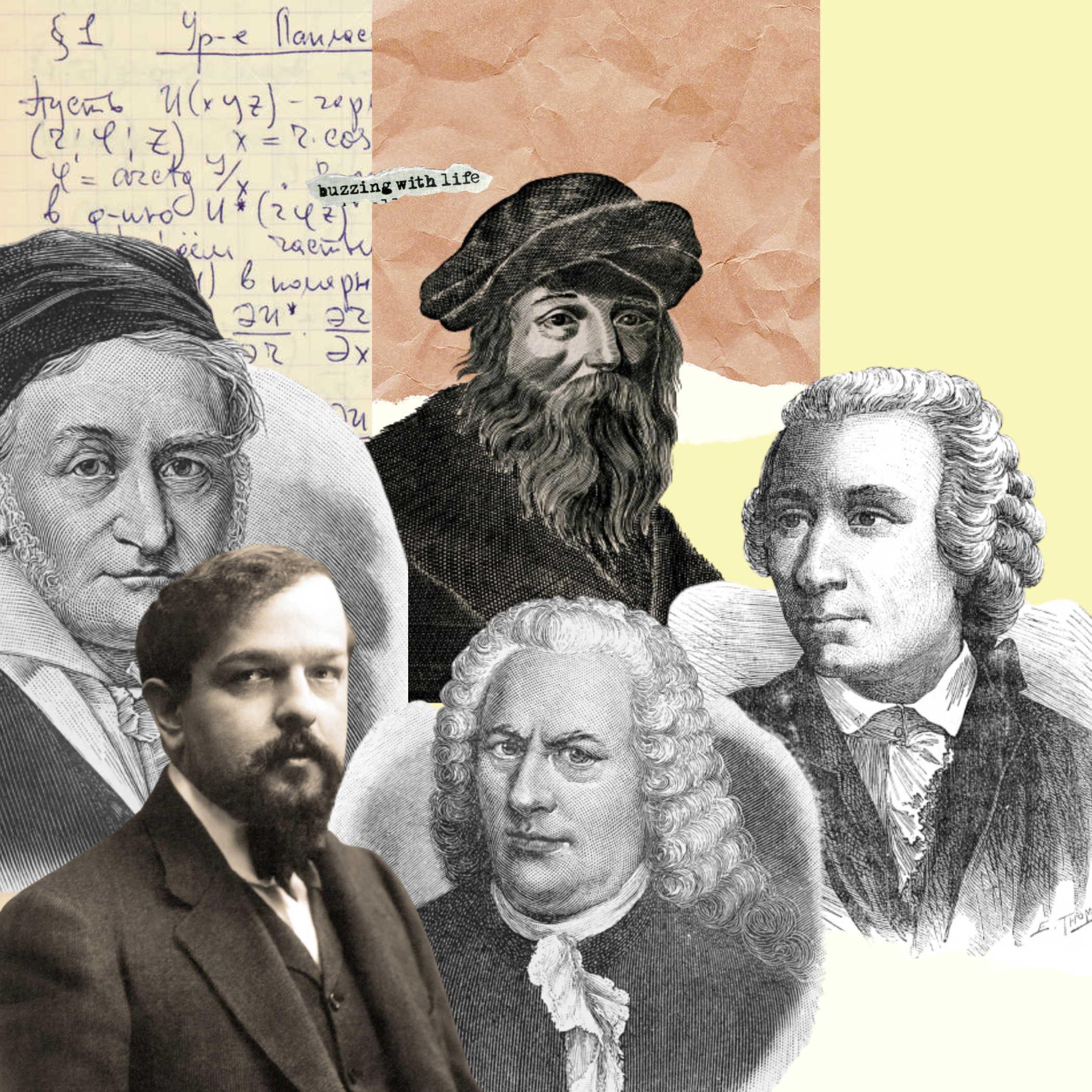
The Pythagorean theorem, known for its mathematical prowess, also finds its way into the realm of musical harmony. In ancient times, musicians discovered that the ratios of frequencies between notes played a crucial role in determining their consonance or dissonance. For instance, the simple ratio of 2:1 in frequency creates the perfect octave, a highly consonant interval. This mathematical foundation provides a fascinating insight into the physics behind our perception of harmony.
As we journey through the history of music, we witness a shifting perspective on consonance and dissonance. In the medieval, Renaissance, and Baroque eras, composers adhered to certain rules and conventions, favoring consonant intervals to create a harmonious and balanced sound. However, as music evolved into the contemporary era, composers began to experiment with dissonance, pushing the boundaries of traditional harmony. Dissonance came to be appreciated for its ability to add excitement, tension, and unexpected twists to musical compositions.
The definition of consonance and dissonance in music is not set in stone but rather a subjective experience shaped by cultural and historical contexts. We have discovered that dissonance does not necessarily equate to unpleasantness; instead, it can add a delightful "spice" to musical compositions, stirring our emotions and challenging our expectations. So, the next time you listen to your favorite songs, pay attention to the interplay between consonance and dissonance and let yourself be captivated by the dynamic harmony that unfolds before your ears.